Chapter 5
Donald Norman
Editors:?
Summary:
In this chapter the author discusses the role that he believes automation should have in our daily lives. According to the author, automation can be extremely useful for tedious or otherwise unwanted tasks. However, the increased use of automation can also increase the amount of time that people spend performing maintenance on the machines that are performing the automation.
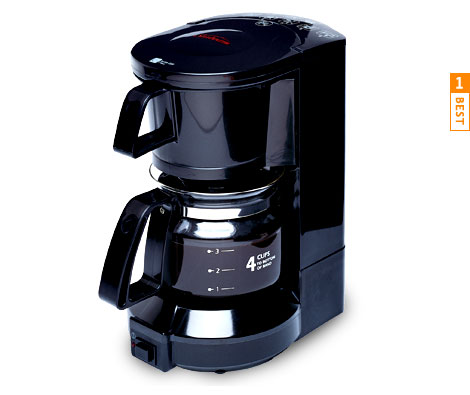
According to the author, automation works best for tasks that are tedious or repetitive. To further his point he uses examples of intelligent homes show the role that automation should play in our daily lives. The author fears that intelligent homes that rely entirely on automation can lead to the inhabitants becoming dependent on the house's decisions. Instead, the author proposes an approach where these intelligent homes should seek to augment the inhabitant's lives rather that automate them. In this approach, the inhabitants would have total control over the machines while they are using them.
Discussion:
This reading is significant because it weighs the pros and cons of automation in the home. However, I do think that the author's stance on common tasks is a little extreme. Many of the tasks that he would see to be augmented rather than automated, I would rather see automated. Other people can apply this work when they are designing intelligent homes. In addition, these ideas can be applied to software as well. For instance, software engineers could use this work to determine what software tasks should be completely automated and which ones should ask the user for their input.

No comments:
Post a Comment